
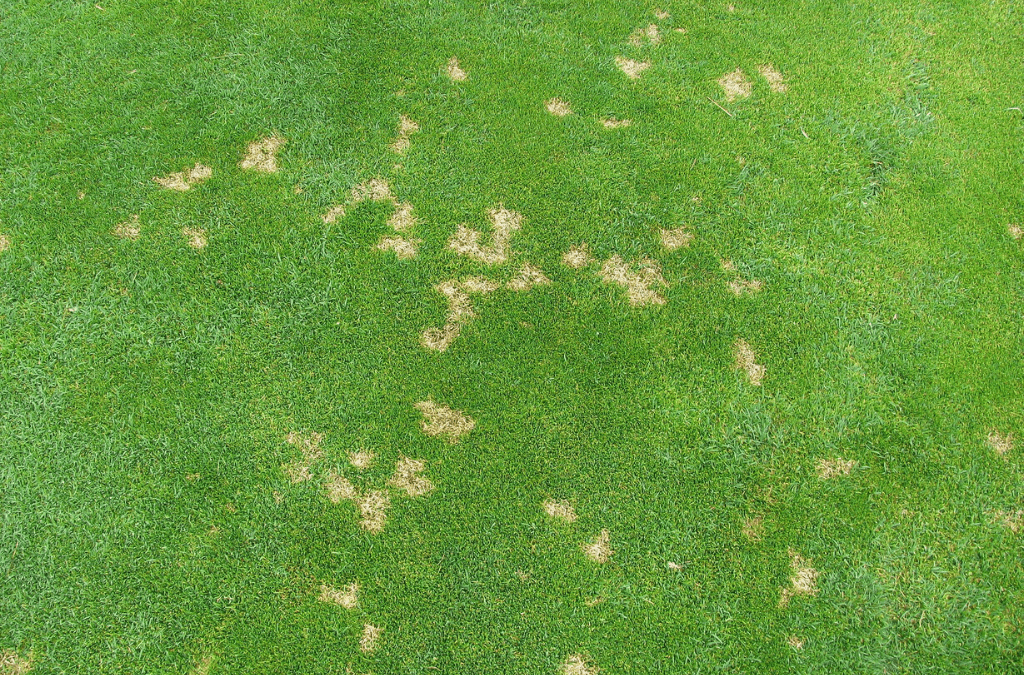
If you’ve spent time nurturing your lawn only to see strange spots, thinning patches, or discolored rings appear seemingly overnight – you’re not alone. Homeowners across Illinois face a similar frustration every year: lawn diseases that seem to strike just when your grass should be thriving.
The good news? With the right care, knowledge, and a little help from professionals, most of these problems can be prevented or reversed before they turn into a full-blown turf disaster.
Let’s take a closer look at the most common lawn diseases in Illinois, what causes them, and how you can keep your grass strong enough to fight back.
What Causes Lawn Diseases in Illinois?
Illinois lawns deal with a unique mix of challenges. Between humid summers, unpredictable rain, and cool-season grasses like Kentucky bluegrass and perennial ryegrass, lawns here live in what’s practically a petri dish for fungal growth.
Most lawn diseases start with three main ingredients:
1. A host plant (your grass).
2. A pathogen (a fungus, mold, or bacteria).
3. The right environment – usually warm, damp, and poorly ventilated.
If all three line up, you’ve got what lawn pros call the “disease triangle.” Once that triangle forms, fungal spores multiply fast – sometimes in just a few days.
Common Lawn Diseases in Illinois
1. Brown Patch
Brown patch loves hot, sticky weather. It appears as circular or irregular brown patches that can grow several inches wide. You’ll often see a smoky or “fuzzy” look early in the morning when dew is still on the grass.
It thrives in high humidity and over-fertilized lawns – especially when nitrogen levels are too high.
How to fix it:
Water deeply but less frequently, improve air circulation, and avoid feeding the lawn too much nitrogen in the heat of summer.
2. Dollar Spot
Small, silver-dollar-sized spots that merge into larger tan patches? That’s Dollar Spot. It’s sneaky – often starting small before spreading across the yard like a slow-moving rash.
This fungus feeds on the leaf tissue, not the roots, which means recovery can be quick once conditions improve.
Prevention tip:
Mow regularly (but not too short), fertilize moderately, and water early in the morning so the blades dry out before nightfall.
3. Rust
If your shoes or mower turn orange after walking across the lawn, congratulations – you’ve met Rust. It’s not dangerous to humans, but it can slow grass growth and make your turf look weak and dusty.
Rust usually appears in late summer or early fall, when growth slows and moisture lingers.
Prevention tip:
Keep mowing and fertilizing as normal, because healthy growth helps the lawn “outgrow” the fungus.
4. Snow Mold
Ah, winter’s parting gift. Snow Mold appears in early spring, right after the snow melts, as matted, bleached patches of grass. It develops when snow covers unfrozen ground for long stretches – a common occurrence in Northern Illinois.
How to prevent it:
Avoid heavy nitrogen fertilization before winter and rake away leaves in fall. Once you spot it, gently rake out matted areas to let the grass breathe.
5. Red Thread
Despite its ominous name, Red Thread is more of an aesthetic nuisance than a turf-killer. You’ll see reddish-pink threads weaving through the grass blades, especially during cool, damp stretches.
It’s often a sign your lawn is hungry for nutrients – particularly nitrogen.
Treatment:
A balanced feeding plan is usually all it takes. For long-term prevention, consider a professional lawn fertilization program that ensures your soil stays nutrient-rich year-round.
How to Prevent Lawn Diseases Before They Start
The best defense against lawn disease is a strong, resilient lawn. Think of it like keeping your immune system healthy – prevention always beats treatment.
Here’s what helps most Illinois lawns stay disease-free:
● Aerate and dethatch: Compacted soil and thatch create a perfect breeding ground for fungi. Aeration helps your soil breathe. (Ask about Emerald Lawn Care’s core aeration services if you haven’t aerated recently.)
● Mow properly: Keep your blades sharp and avoid cutting more than one-third of the grass height at once.
● Water wisely: Deep, infrequent watering promotes deep roots and discourages disease. Morning is best.
● Feed strategically: Fertilize according to the season, not just the calendar. Too much nitrogen in summer = fungus heaven.
● Reduce shade and improve airflow: Trim overgrown shrubs and trees to allow sunlight and breeze to dry out moisture faster.
When to Call in the Experts
Sometimes, no matter how careful you are, your lawn still ends up looking like it caught a bad cold. That’s when it pays to have a local lawn care team who knows Illinois soil and weather patterns inside and out.
At Emerald Lawn Care, we’ve seen every variety of fungus, blight, and mildew that can show up in this region – and we know how to treat each one. Our programs focus not just on eliminating the symptoms but improving your soil health so problems don’t come back next season.
If your grass is struggling with bare patches, discoloration, or uneven growth, a professional assessment can make all the difference. Sometimes the issue isn’t disease at all – it could be compacted soil, poor drainage, or even a pest problem masquerading as fungus.
A Healthy Lawn Starts Below the Surface
Here’s something most people forget: the fight against lawn disease doesn’t start on the blades – it starts in the soil. Healthy, well-balanced soil creates turf that naturally resists most pathogens.
If you’re serious about preventing lawn diseases in Illinois, focus on consistency. Water right. Mow right. Feed right. And when in doubt, get expert help early rather than waiting for damage to spread.
Because when you keep your lawn strong from the roots up, you won’t just stop disease – you’ll have a greener, thicker, and more resilient yard all season long.