
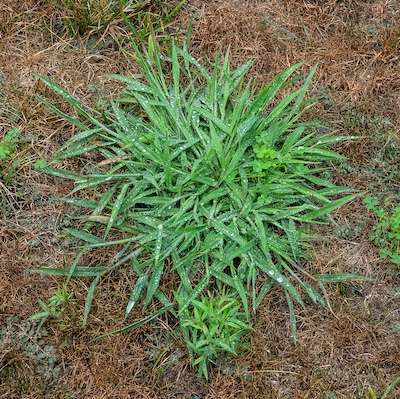
How to Get Rid of Crabgrass in Your Illinois Lawn
Ask any Illinois homeowner what their biggest lawn frustration is in July, and the answer is almost always the same: crabgrass. This stubborn annual weed explodes across thin turf when summer heat arrives, and it spreads faster than most people realize. Whether you’re seeing it for the first time or fighting it for the fifth season in a row, Emerald Lawns is here to help you break the cycle for good.
Crabgrass and the Illinois Growing Season
Illinois lawns are predominantly cool-season — Kentucky bluegrass, tall fescue, and perennial ryegrass dominate across the Chicago metro, suburbs, and central parts of the state. These grasses slow down and sometimes go semi-dormant during the hottest stretch of Illinois summers, creating a window of vulnerability that crabgrass exploits aggressively.
Crabgrass seeds in Illinois soil germinate when soil temperatures reach 55–60°F — typically in mid-April in the Chicago area and northern suburbs, and slightly earlier in central Illinois. A single plant that escapes control can produce over 100,000 seeds before the first frost, all of which overwinter in the soil waiting for next spring.
Step One: Pre-Emergent Application in Spring
The most effective crabgrass control starts before you ever see the plant. Pre-emergent herbicides applied to the soil in early spring create a barrier that prevents crabgrass seeds from germinating. For northern Illinois and the Chicago suburbs, the target window is typically late April, when soil temps at a 2-inch depth approach 50–55°F.
- Watch for forsythia bloom as a natural timing cue for pre-emergent application
- A split application 6 weeks apart extends protection through Illinois’s drawn-out spring
- Do not apply pre-emergent in areas you plan to overseed — it will block grass seed germination too
Step Two: Post-Emergent Treatment for Active Crabgrass
If crabgrass has already germinated, post-emergent herbicides are your next option. Quinclorac-based products are widely used for crabgrass that’s still in early growth stages — typically before it has tillered heavily in June. Treating young plants early in the summer is far more effective than attempting control on mature, seeding plants in August.
Important caveat for Illinois homeowners: Post-emergent crabgrass treatments can injure certain grass types. Always confirm product compatibility with your specific turf — particularly if you have a bluegrass or ryegrass lawn.
Why Your Lawn Keeps Getting Crabgrass
If crabgrass returns every year regardless of what you do, these underlying factors are likely at play:
- Mowing too short — keep cool-season grass at 3.5–4 inches to shade out germinating seeds
- Thin or bare spots — crabgrass thrives where desirable grass is absent; fall overseeding closes those gaps
- Compacted soil — reduces turfgrass vigor and gives weeds a competitive advantage
- Missing or late pre-emergent application — the most common reason for re-infestation
Fall Is the Time to Prepare for Next Year
Once the crabgrass dies with the first Illinois frost in October, the battle for next season begins. Fall is the ideal time to overseed thin areas, aerate compacted soil, and set up a dense turf that will be more competitive come spring. Crabgrass cannot compete with thick, well-maintained cool-season grass.
Emerald Lawns: Illinois’s Crabgrass Solution
Emerald Lawns serves Illinois homeowners with pre-emergent weed control programs timed to northern Illinois soil temperatures — so your protection goes down at exactly the right time, not a week too late. If crabgrass has already moved in, we can assess and treat. Contact Emerald Lawns today, and let’s put a plan together that keeps your lawn weed-free.